
Reviewed · PLAYA DEL CARMEN CENOTE TOURS
Tulum: Cenote Trail Bike Tour
The best part of this Tulum outing is the way it links several cenotes by bicycle instead of treating them as isolated swimming holes. You pedal from town into the forest, cool off with a snorkel and a jump, then ride on to the next stop. I especially like the small groups and the guides’ local stories about cenote geology, Maya culture, and jungle wildlife.
I also like the final meal, served in a quiet jungle setting rather than a standard restaurant. It gives the half-day a real sense of place. The catch is the bike ride: about 9 kilometers, including a rough stretch of roots and rocks, so this is not a soft-paced sightseeing trip. Heat, dust, and uneven trails are part of the bargain.
Key points to know before you book
- Two ways to do the tour: Choose two cenotes with brunch, or three cenotes with ziplines, a canoe, and a jungle lunch.
- The ride is part of the adventure: You cover about 5.5 miles, mostly on quiet paths, with one rough section that can test your balance.
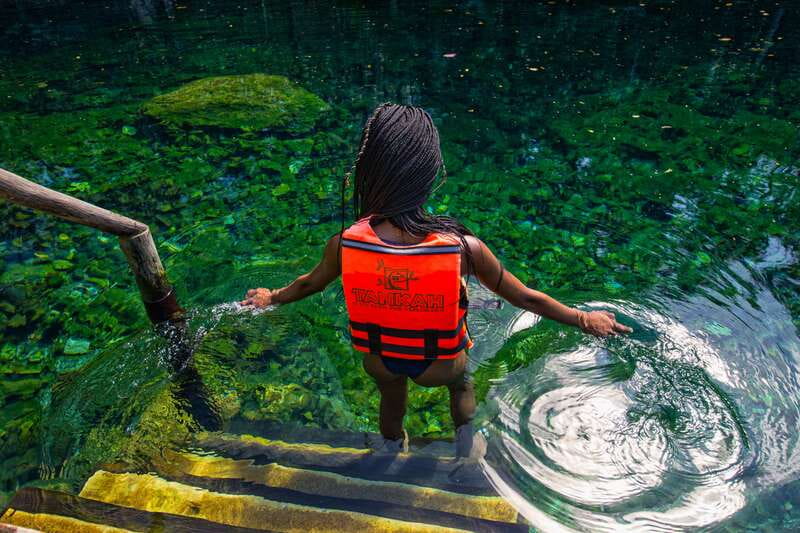
- Swimming is central: Expect snorkeling, clear water, fish, turtles, and chances to jump from rock ledges or platforms where available.
- Guides add real context: Pablo, Macarena, Martín, Alejo, and other guides explain how cenotes formed and why they matter to Maya communities.
- Small groups help: The tour is limited to 10 people, and groups of four or five are common.
- Start early if you can: Cooler air and quieter cenotes make the morning departure especially appealing.
Pedaling out of Tulum into the forest
The tour begins at the Mexico Kan Tours office on Avenida Tulum, unless your selected option gives you another meeting point. The usual morning choices start around 8:30 or 9:00, and the full experience lasts roughly four and a half to five hours.
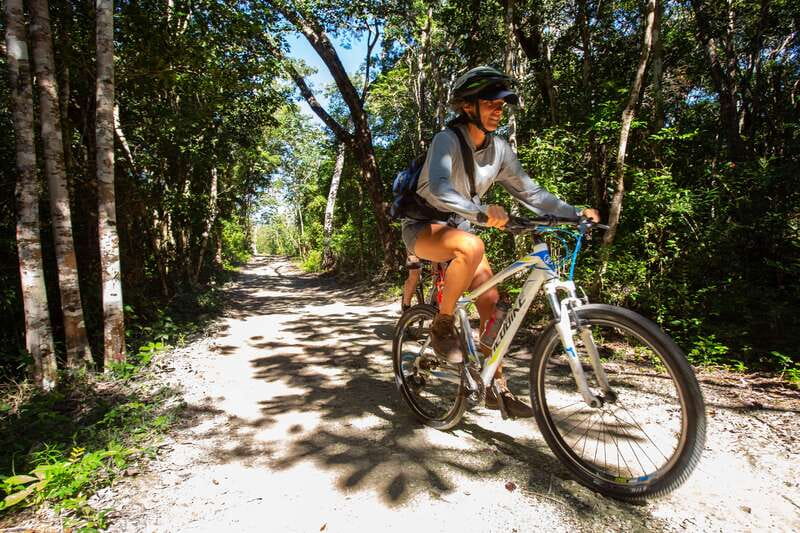
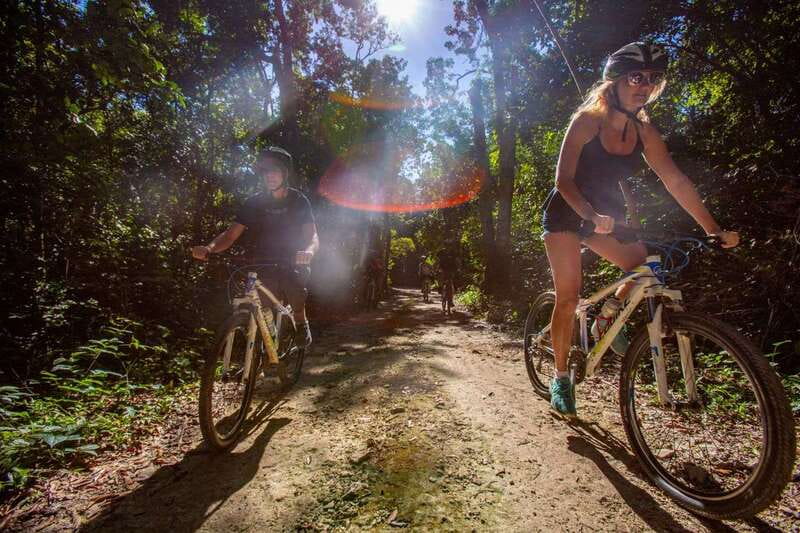
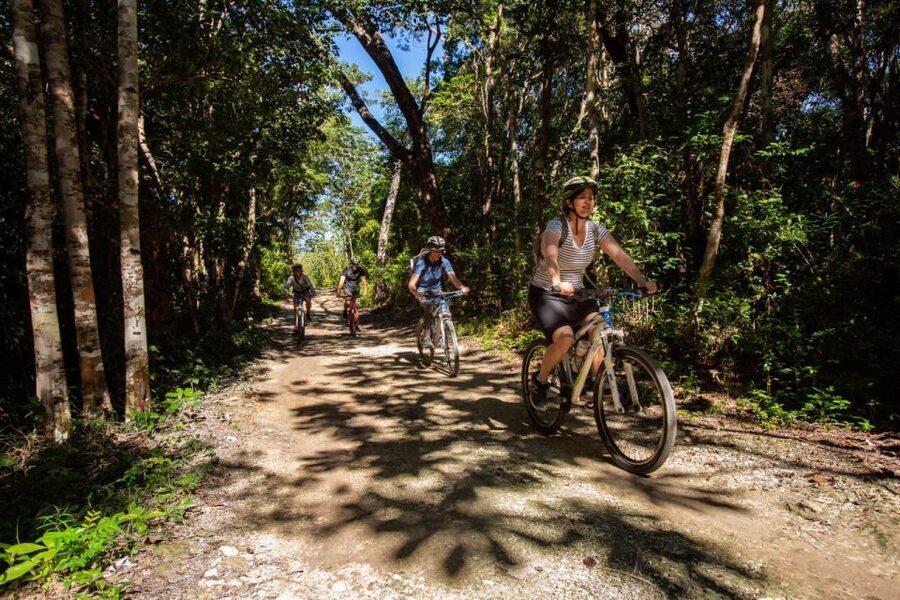
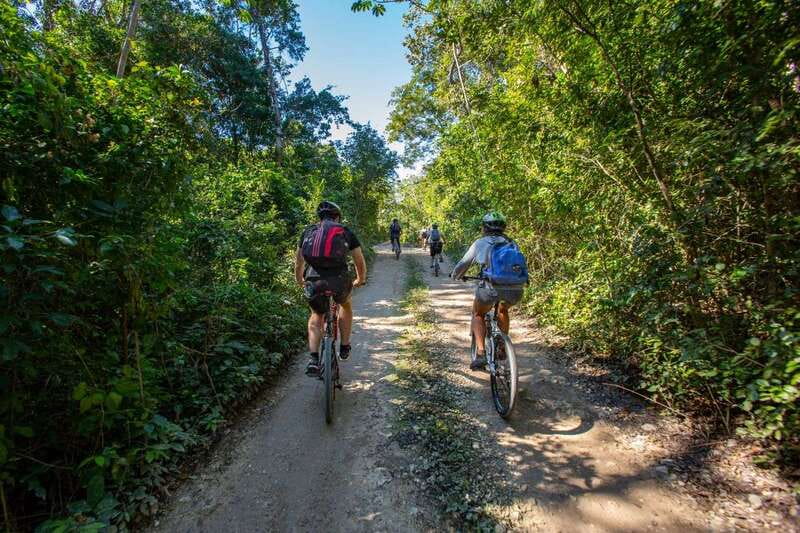
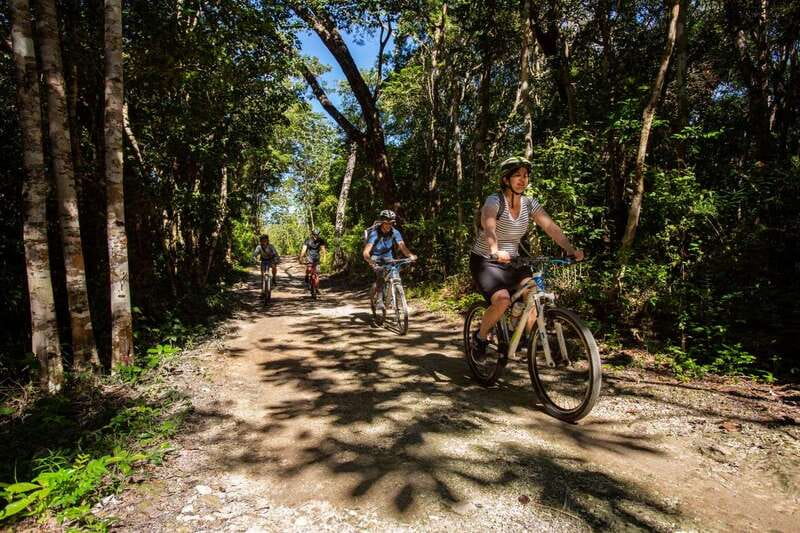
You get an urban bike and helmet before setting off. The first section runs through Tulum streets, then shifts onto quieter forest paths. The route covers about 9 kilometers in total, split between riding to the cenotes and riding back toward town.
I like this setup because the bicycle is not just transport. It lets you see the change from town to jungle at a human pace. You notice the road giving way to forest, and you arrive at the water after earning it a little.
The riding is mostly manageable for anyone comfortable on a bike, but you should not mistake comfortable for highly athletic. Several people have found the tour light to medium in effort, while others found the heat and rough trail more demanding. A short section of roughly 400 meters includes roots and rocks. The terrain is generally flat, but the surface can be bumpy, dusty, and slippery after rain.
Your guide sets the pace and gives you choices when the trail gets awkward. You may be able to walk a difficult section or take it slowly, but you still need enough balance and stamina to ride for about an hour in each direction. Children under eight cannot join, and the tour is not suitable for anyone who cannot ride a bike or has mobility limitations.
More Cenote Tours in Tulum
- Chichen Itza, Cenote and Valladolid Small Group Day Trip
★ 5.0 · 2,104 reviews - Tulum Guided Tour, Magical Cenote, Lagoon Snorkeling and Beachside Lunch
★ 5.0 · 1,888 reviews - Tulum Ruins, Turtles in Akumal and Cenote tour
★ 5.0 · 1,706 reviews
What the guides add to the ride
The guides are one of the strongest parts of this experience. Names that come up often include Pablo, Macarena, Martín, Alejo, Kenya, Iber, Angie, and Carlos. Guide assignments can change, but the pattern is consistent: you get more than directions and safety reminders.
Expect explanations of how the Yucatan Peninsula’s limestone ground allows rainwater to move underground. Over time, collapsed sections and flooded passages create the cenotes you visit. Guides also explain their importance to the people who have lived in the region for thousands of years.
The best guides adjust their talk to the group. Macarena has handled mixed English, Spanish, and French needs with ease, while Alejo is especially attentive to different riding abilities. Pablo is often praised for fitting bikes carefully, offering safety help, and sharing local suggestions beyond the tour itself.
I appreciate that this information comes while you are moving, not during a long indoor lecture. At the water, the geology becomes easier to understand because you can see the difference between an open sinkhole, a flooded cavern, and an underground river system.
The small-group limit of 10 matters here. It keeps the ride from turning into a bicycle line and makes it easier to ask questions. Groups may be even smaller. A booking with only four or five participants can feel nearly private without necessarily requiring a private-tour upgrade.
The two-cenote route: swimming, snorkeling, and brunch
The two-cenote option generally leaves around 9:00 a.m. and returns to the Tulum starting point around 1:30 p.m. You first cycle through town and into the forest, then stop at Cenote Cristal for swimming and jumping.
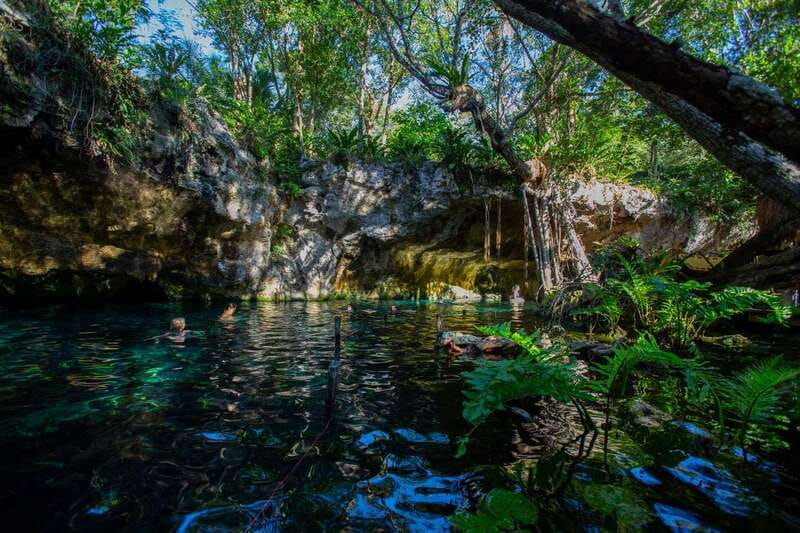
Cristal is an open-water setting, so it feels different from a dark cave cenote. The water is clear, and the stop is built around getting in, cooling off, and having fun. If you like a simple swim with room to look around, this is a good opening stop.
Next comes Cenote Escondido, where snorkeling becomes the focus. Bring your swimsuit and use the provided snorkeling equipment to look for fish and turtles below the surface. The exact animals you see can vary, but the clear water gives you a good reason to spend time looking rather than simply taking a quick swim.
The cenotes on this route are not all the famous cave chambers shown in Tulum advertisements. That is worth knowing before you book. Some are open or partly open, with sunlight, vegetation, and a more relaxed swimming feel. If your main goal is a dramatic cavern filled with stalactites, ask about the exact route at booking.
The payoff is privacy and variety. Several stops are on Maya-owned land with access limited to organized visits, so you may avoid the heavy crowds found at more famous cenotes. Early timing helps too. The earlier you arrive, the better your chance of having calm water and fewer people in your photos.
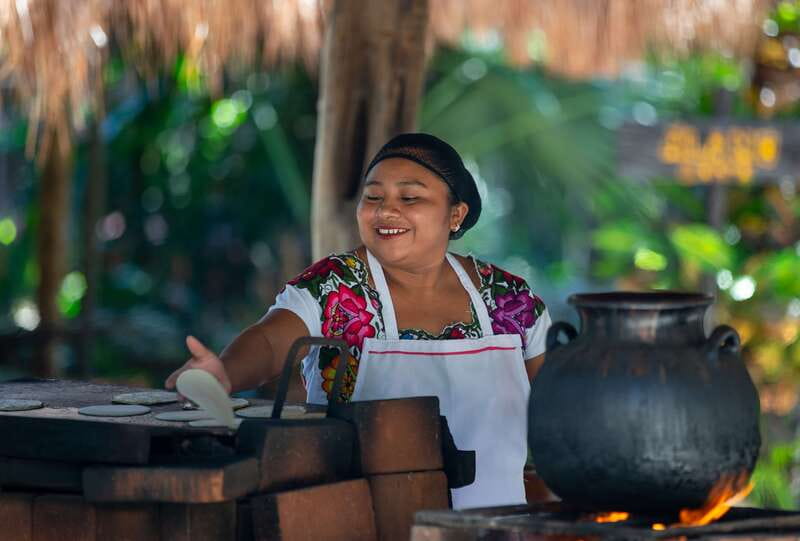
After the cenotes, you stop for brunch in an exclusive jungle setting. Depending on the route, this can be a small guesthouse, jungle cantina, or similar private spot. Fresh fruit, sandwiches, tacos, quesadillas, hibiscus drinks, and very good coffee have all appeared on these meals, but the exact menu can vary.
This meal is more than a convenient fuel stop. Food prepared outdoors, close to where you sit, gives the tour a personal finish. I would save room for coffee if it is offered, and I would not plan a large breakfast before the ride. The bike portion is easier when you are not carrying a heavy meal.
The three-cenote option adds more action
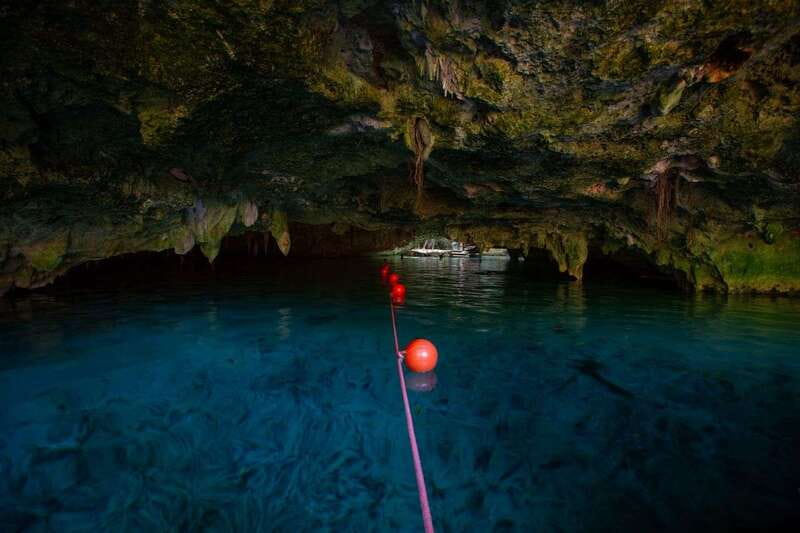
The three-cenote route starts around 8:30 a.m. and usually returns around 1:30 p.m. It includes three different types of water settings: a flooded cavern, an open sinkhole, and underground rivers.
This option gives you a better sense of how varied the cenote system can be. One stop may feel enclosed and shadowy, another open to the sky, and another shaped around water flowing through underground passages. The precise order and names can vary, so confirm the stops when you reserve.
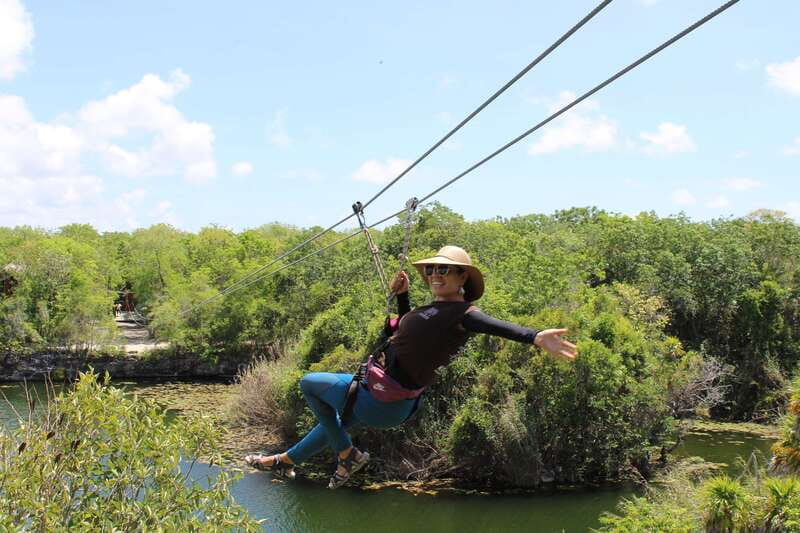
Three ziplines cross above the water, followed by a canoe segment and time for swimming, snorkeling, and cliff jumping. Each activity is fairly short, often around 20 minutes according to the experience details, but that variety is the appeal. You get a sample of several outdoor activities without spending a whole day on one of them.
The zipline portion adds a shot of excitement, while the canoe slows the pace again. Cliff jumping is optional, not a test you must pass. You can choose how much action suits you, though the tour still requires a basic level of confidence around water and on a bicycle.
Lunch is served in an exclusive jungle setting, including the Tankah area on some routes. The meal is typically Mayan in character, with tacos, quesadillas, fresh drinks, or other simple local dishes. I like this option for people who want a packed half-day: ride, swim, snorkel, zipline, paddle, jump, and eat.
The tradeoff is time. With three cenotes and several activities, individual stops may feel shorter than on the two-cenote route. If you want to float quietly and study the water, the two-cenote version may suit you better. If you want maximum variety, choose three.
More Bike Tours in Tulum:
- Cenotes trail jungle bike tour in Tulum with lunch
★ 5.0 · 157 reviews - Tulum Bike Tour Tulum Maya Ruins Cenote Swimming Pueblo History Art Tacos Lunch
★ 5.0 · 99 reviews - Mayan Backroads Private Bike Tour from Tulum
★ 5.0 · 23 reviews - Tulum Area Experiences Guided E-Bike Tour- 3 Cenote’s Snorkel/Swim & Local Lunch
★ 5.0 · 23 reviews
Swimming and safety at the cenotes
You should be ready to get wet early in the tour. Swimming and snorkeling are not side attractions here. They are the main reason to bring a swimsuit, comfortable shoes, sunglasses, and breathable clothing.
Snorkel equipment is included, and guides help you make the most of the water. Several routes include places to jump, but jumping is optional. Follow the guide’s instructions and use only the designated spots. A cenote can look calm while still being deep, enclosed, or difficult to exit without a ladder or guide support.
The water may contain fish and turtles, which gives the snorkeling extra interest. The appeal is less about checking off a famous name and more about seeing how each water body feels different. One may invite a quiet float, while another offers a livelier jump or a better view below the surface.
The tour’s physical demands do not end when you leave the water. You ride while damp, then dry in the heat as you continue through the forest. That can be pleasant, but it also means sunscreen, drinking water, and breathable clothing matter. The company provides water on some tours, and guides may carry snacks or bug spray, but you should not rely on every extra being guaranteed.
The jungle meal is part of the experience
Many organized excursions finish at a large buffet or a hotel restaurant. This one aims for a smaller setting in the forest. The meal may take place at Ajal, Meli-Melo, a Tankah-area location, or another partner site depending on the chosen route.
The surroundings make the meal memorable, but the food gets equal attention. Fresh fruit, tacos, quesadillas, hibiscus lemonade, sandwiches, and coffee have all been part of the experience. The cooking may happen outdoors near your table, which makes the stop feel connected to the place rather than inserted between activities.
I would treat lunch or brunch as a real part of the tour, not simply a basic included snack. It gives you time to cool down, talk with the small group, and ask the guide about the places you have just visited.
Still, do not expect a long restaurant meal with unlimited choices. The menu depends on the selected option and local kitchen. If you have strict dietary needs, ask before booking. The provided information confirms the meal, but it does not promise specific dietary accommodations.
Is $119 a fair price?
At $119 per person, the value depends on how much of the package you would otherwise arrange yourself. The fee covers the guide, bike, helmet, entrance fees, snorkeling, swimming in two or three cenotes, and the meal. The three-cenote route also includes ziplines and a canoe.
Buying separate admission to several cenotes, renting a bike, finding the forest roads, arranging snorkeling equipment, and hiring transport would quickly add time and cost. You also gain a guide who handles the route and explains the natural and cultural background.
I would call the price fair for the three-cenote option, especially if you want several activities in one morning. The two-cenote route is still reasonable if you place a high value on the guided ride, a small group, and the private-feeling meal.
The price is less attractive if you only want a single cenote swim or dislike group schedules. You can find simpler cenote visits that cost less, but they will not combine cycling, several water stops, guide commentary, and a jungle meal in the same compact outing.
Round-trip return to the Tulum starting point is part of the structure, but hotel pickup and drop-off are not included in the standard inclusions. Hotel pickup may be possible on request, so ask before assuming a vehicle will collect you.
Who should book this bike tour?
I would recommend it to active couples, families with older children, and small groups who want more than a stop at one famous cenote. It also suits you if you like learning while moving and prefer local roads and forest paths to a coach ride.
The tour is a good match for anyone who wants a half-day with a lot packed into it. You can be back in Tulum early enough for an afternoon at the beach, a visit to the ruins, or a slow lunch in town.
I would hesitate if you are not comfortable cycling, dislike heat, or want a purely relaxing water outing. The route is not an extreme mountain-bike challenge, but the rough section can be jarring, and the return ride may feel hot. A flat tire has occurred and was repaired efficiently, but even a quick repair can affect the rhythm of the morning.
Families should also note the minimum age of eight. An eight-year-old may manage the route, but fitness and confidence matter more than the number alone. Ask about private arrangements if your group has very different abilities, and confirm any extra cost before paying.
The tour offers live guiding in Spanish, English, French, Italian, and German. Free cancellation is available up to 24 hours before departure, and you can reserve now and pay later, useful if your Tulum plans are still shifting.
My advice before you go
Choose the earliest departure you can manage. The ride is cooler, the forest feels fresher, and early arrival may help you avoid crowds at the more popular water stops.
Eat lightly, wear shoes that can handle both pedals and wet ground, and bring swimwear under your riding clothes. Sunglasses and breathable clothing are useful on the exposed roads, while bug spray is worth carrying for the forest.
Do not book this expecting a gentle ride between photo stops. Book it because you want to pedal, swim, snorkel, and try several activities in one morning. The guides, small groups, varied cenotes, and jungle meal make the experience feel more personal than a standard cenote transfer.
Should you book the Tulum Cenote Trail Bike Tour?
Yes, if you are comfortable on a bicycle and want an active introduction to the cenotes near Tulum. I would choose the two-cenote option for more time in the water and a calmer pace, and the three-cenote option for ziplines, canoeing, cliff jumps, and the fullest range of activities.
The main question is not the cenotes. It is the cycling. If 9 kilometers through heat, dust, and one rocky trail section sounds like part of the fun, the $119 price buys a well-rounded half-day with transport between activities, equipment, entrance fees, a guide, and a satisfying local meal. If that sounds like work, choose a simpler cenote visit instead.
FAQ
How long does the Tulum Cenote Trail Bike Tour last?
The tour lasts about four and a half to five hours. The listed programs generally begin around 8:30 or 9:00 a.m. and return to the Tulum starting point around 1:30 p.m.
How far do you ride?
You ride approximately 5.5 miles, or 9 kilometers, in total. The route includes Tulum streets, quiet forest paths, and a short section with roots and rocks.
Do I need to know how to ride a bike?
Yes. You must be able to ride a bike comfortably. The tour is not suitable for people who cannot ride a bike or for people with mobility impairments.
What is included in the two-cenote option?
The two-cenote option includes the bike, helmet, guide, snorkeling, swimming at two cenotes, entrance fees, and brunch. It does not include standard hotel pickup and drop-off.
What does the three-cenote option include?
The three-cenote option includes swimming and snorkeling at three cenotes, three ziplines, a canoe activity, lunch, the bike and helmet, a guide, and entrance fees.
What languages are available?
Live guides may conduct the tour in Spanish, English, French, Italian, or German. Group size is limited to 10 participants.
Newest Tulum trips we have written up
- From Riviera Maya : Tulum Ruins, Cenotes & Jungle Adventure★ 4.9 · 19 reviews
- Tulum Taco Tour★ 5.0 · 3 reviews
- Tulum: Sport Fishing Experience with Ceviche★ 4.0 · 3 reviews
- Tulum: Vegan Walking Food Tour with Tasting★ 5.0 · 8 reviews
- Tulum: Private Tour 2 Cenotes Sac Actun, the longest underground river in the world★ 5.0 · 6 reviews
- Tulum : Scuba in 2 cenotes including a deep one Pit Dos Ojos★ 4.9 · 8 reviews
- Tulum: Snorkeling at Paradise Reef★ 4.8 · 24 reviews
- Tulum: 2 spot Reef Snorkel 1 hour 30 minutes★ 4.5 · 11 reviews
Playa del Carmen Cenote Tours, compared.
Chichen Itza, Cenote and Valladolid Small Group Day Trip
Read our review →
From Playa del Carmen ATV Adventure with Ziplines, Cenote
Read our review →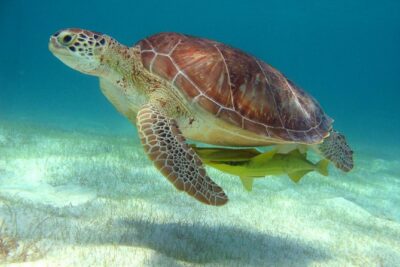
Half-Day Sea Turtle and Cenote Snorkeling Tour from Cancun & Riviera Maya
Read our review →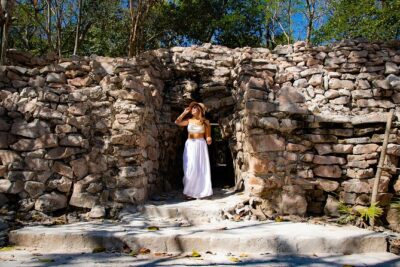
Tulum Guided Tour, Magical Cenote, Lagoon Snorkeling and Beachside Lunch
Read our review →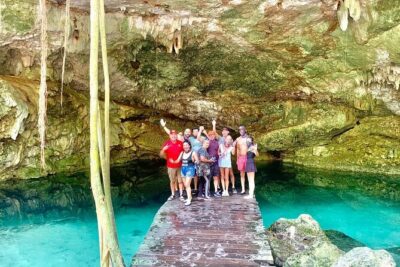
Playa del Carmen Buggy Tour with Cenote Swim and Mayan Village Visit
Read our review →
Tulum Ruins, Turtles in Akumal and Cenote tour
Read our review →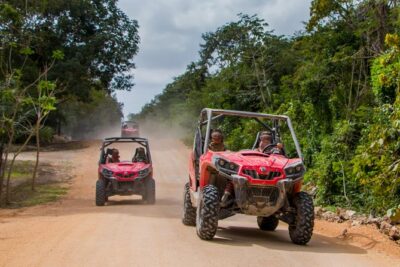
Jungle Buggy Tour from Playa del Carmen Including Cenote Swim
Read our review →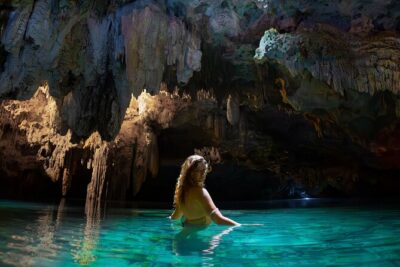
Hidden Cenote Swim: Snorkeling, Sea Turtles and Beachside Lunch
Read our review →Browse the lists this tour appears in